
Growth Doesn't Always Come With a Bigger Role
Helping people develop within the calling they already carry.
When someone is serving faithfully, our next question can come quickly: What else could they lead?
That may be a good question. There is another one I want us to ask with equal care: How could this person keep growing in the responsibility they already have?
A volunteer may become a more thoughtful listener. A mentor may learn to ask better questions. A ministry leader may grow in prayer, patience, or the ability to receive correction. Those changes matter even when the title and calendar stay the same.
I want us to recognize that kind of growth and make room for it.
Developing people is a central part of ministry. We need a view of development spacious enough to honor different gifts, different seasons, and long faithfulness in a particular calling.
There is learning inside the work
A Liberty University dissertation dated November 11 explored the experiences of 10 adult mentors serving in suburban arts-based youth programs. Participants described growth in areas including communication, adaptability, and leadership identity.
This is a small qualitative dissertation, not a trial showing that volunteer service causes leadership growth. Its value here is exploratory: it invites us to notice what adults may be learning through the service they are already doing.
That is a useful question for ministry leaders. We can ask someone what has challenged them, what they are learning, and where they would like help. The answer may point toward a deeper way of serving in the same place.
We should be willing to hear that answer before deciding that the next step must be a larger assignment.
Take interest in the person's calling
The needs of an organization are real. Someone has to carry responsibilities, prepare volunteers, and help the work continue. Leaders should address those needs honestly.
We also need to learn about the people we are inviting to serve. What gifts are they bringing? What do they believe God is calling them to do? What responsibilities are already present in their lives? Where do they find meaningful opportunities to contribute?
Those conversations require patience because the answer may differ from our first idea.
A person may be well suited to a steady role that depends on trust developed over time. Another may be ready for broader responsibility. Someone else may need to adjust their involvement for a season while continuing to serve faithfully.
Each deserves thoughtful attention. We can keep the mission clear while taking seriously the person God has placed in front of us.
Help someone grow in one part of the role
A development conversation can begin simply. Ask the person to identify one part of their current service they would like to understand or do better.
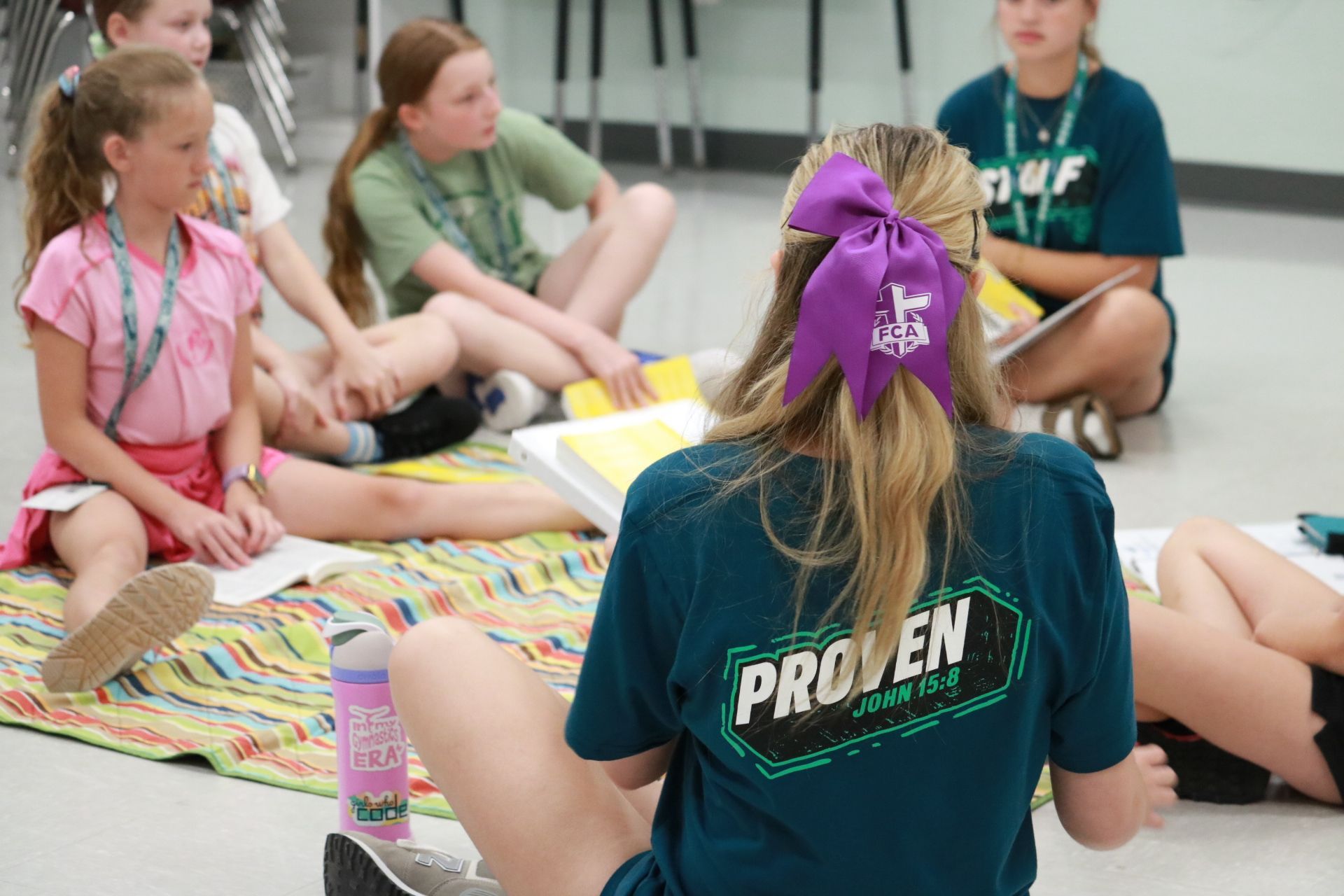
Perhaps, in a general example, a volunteer leading a discussion wants to help quieter participants contribute. The next step could involve learning from an experienced leader, preparing a different question, and reflecting afterward on what happened.
The leader's responsibility is to provide appropriate support and keep the learning connected to the people being served. Training, boundaries, and safeguarding requirements still matter. The volunteer should know when to seek help.
Then return to the conversation. What did they notice? What was difficult? What would they try again or change?
That is a practical investment in a person's development without automatically expanding the role. It also gives us an opportunity to encourage faithful effort and honest reflection.
Let spiritual formation stay central
At Battlefield FCA, Jesus Christ is the foundation of how I think about developing leaders. We want people to grow as disciples who serve others with the gifts God has given them.
Ephesians 4 describes a body growing as its members contribute. That picture makes room for different gifts and responsibilities. It gives us a reason to value the contribution of people whose work may be quiet or largely unseen.
Prayer belongs at the beginning of this discernment. We need God's wisdom about the people we lead and our own motives in asking them to do more. Scripture, prayer, obedience, and Christian community help form the person carrying the responsibility.
Growth may include greater courage. It may also include self-control, repentance, or a willingness to receive help. Sometimes it means learning to keep a promise consistently. Sometimes it means admitting that a commitment needs to be reconsidered honestly.
Those are meaningful parts of maturity. We should give them attention alongside goals and responsibilities.
Keep accountability connected to the calling
Valuing different forms of growth does not remove accountability. A person who accepts responsibility needs to understand what it involves and carry it faithfully. If something is not happening, leaders need to address it with clarity and care.
But we should avoid treating every faithful person as though they owe us a larger contribution next year. The work they have accepted already deserves our attention and support.
The same applies to people with extensive experience. They may bring transferable skills and wisdom that we should recognize. They may also want to develop in a new area. A good conversation allows both to be true.
Our role is to help someone discern and take a faithful next step, with appropriate expectations and support. That requires listening before making assumptions about ambition, availability, or potential.
Make the next conversation worthwhile
This is a direction I want to keep pursuing at BFCA as we think about staff, volunteers, Huddle Coaches, and student leaders. I want our preparation and coaching to help people grow in Christ and serve well within their calling.
That can happen through the relationships and resources already available to us. We can give an existing conversation more care, ask a better question, and stay interested in what the person is learning.
If you lead a church, ministry, or volunteer team, consider someone who has served steadily for a long time. Ask what they would like to learn in the responsibility they carry now. Listen before offering another assignment.
I would welcome a conversation about what you discover. Helping a person deepen in faithful service is worthy leadership work, and there is much we can learn from one another about doing it well.
Sources:
- Jindallrae Choi, The Influence of Arts-Based Volunteer Programs on Leadership Development in Adult Mentors of Suburban Youth, Liberty University dissertation, dated November 11, 2026: https://digitalcommons.liberty.edu/doctoral/9068/
- Biblical foundation: Ephesians 4:11–16; 1 Corinthians 12:4–7. These are theological foundations, not empirical outcome claims.
Help Us Spread the Word and Share!