
The Fields Are Full. The Coaching Bench Is Thinning.
Youth sports does not just need more volunteers. It needs adults prepared to help young people become whole.
By Scot Small, Metro Director, Battlefield FCA
Drive past almost any sports complex on a Saturday morning and youth sports appears to be doing just fine.
The parking lots are packed. Every field is occupied. Gyms are running behind schedule because one game rolls directly into the next. Families are carrying folding chairs, water bottles and bags full of equipment from one place to another.
But look a little closer and ask a different question:
Who will coach all these young people next season?
Who is preparing those coaches for everything that comes with the role?
And who is caring for the adults who said yes?
Those questions feel more urgent after seeing national participation research released by the Sports & Fitness Industry Association in September 2026.
The good news is that team-sport participation is growing. According to SFIA’s September 24, 2026 report, participation among children ages 6–14 increased from 21.1 million in 2022 to 22.1 million in 2025.
The more troubling news is that the number of current youth coaches fell during that same period—from 8.4 million to 6.9 million.
More children are playing. Fewer adults are coaching them.
That is not merely an operational problem for leagues. It is a formation problem for our communities—and an opportunity the church should take seriously.
What young people want from sports
The same report asked people why they participate in team sports.
The leading answer was fun. Staying active came next, followed by spending time with friends and being part of a team. Competition ranked below all four.
That does not mean young athletes lack competitive fire. It means their experience is about more than the scoreboard.
They are looking for joy, friendship, activity and belonging. The coach standing in front of them can either help create that experience or slowly push it out of reach.
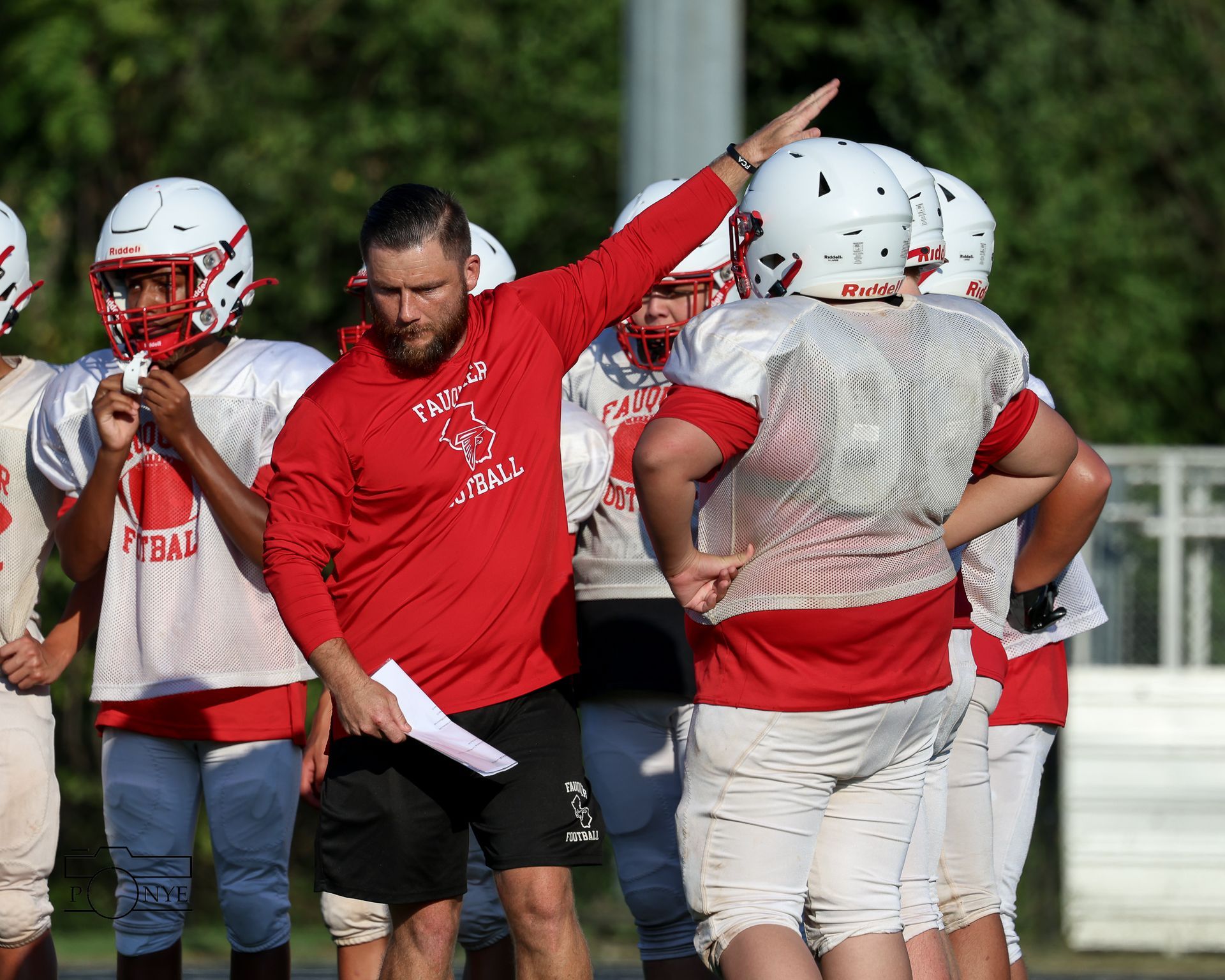
A coach decides how mistakes are treated. A coach determines whether the last player on the bench still feels seen. A coach helps establish whether teammates become friends or competitors for approval. A coach’s response to losing teaches young people something about failure, responsibility and worth.
A shortage of coaches can restrict access to sports. But an absence of prepared, supported and healthy coaches can damage the experience even when a team still has someone holding the clipboard.
Youth sports does not simply need more adults willing to run drills.
It needs adults who understand the influence they have accepted.
A coach can widen or narrow an athlete’s world
Another study released in September 2026 helps explain why the quality of coaching matters so much.
Researchers followed 542 adolescent athletes in specialized sports environments over six months. They found that increases in specialization predicted later increases in what researchers call “athletic identity exclusivity.”
That phrase is worth understanding.
A strong athletic identity is not automatically a problem. Young people can rightly take pride in becoming disciplined soccer players, wrestlers, basketball players or runners. Sport can provide confidence, goals, friendships and a healthy sense of belonging.
The danger comes when being an athlete becomes the only meaningful answer a young person has to the question, “Who are you?”
The researchers found that controlling coaching and reduced relationships outside sport were both associated with that identity becoming more exclusive.
We should be careful with the findings. The study involved athletes in elite and specialized programs in eastern China, not a cross-section of every young athlete in America. It followed them for six months, not an entire childhood.
But the questions it raises travel well.
Does this athlete have people who know them without knowing their statistics?
Are they allowed to explore interests and relationships beyond their sport?
Can they disagree, ask questions or admit that they are struggling?
If an injury ended the season tomorrow, would they still know who they are and where they belong?
Coaches do not control every part of that environment. Parents, clubs, schools and the larger youth-sports marketplace all contribute. But coaches possess enormous relational influence.
That makes coach formation essential.
What the church can bring
I do not believe the church’s role is simply to provide youth sports with more available bodies.
The church can provide something deeper: adults whose own identities are being formed in Christ.
A coach who knows that his worth does not depend on winning has less reason to use children’s performance to prove himself.
A coach learning humility can admit when she handled a situation poorly.
A coach practicing self-control can respond to an official without making anger the lesson of the day.
A coach shaped by service notices the child who is falling behind.
A coach who believes in repentance and restoration understands that failure does not have to be the end of someone’s story.
None of that makes a coach less competitive. I believe it can make someone a healthier competitor and a more trustworthy leader.
Our faith tells us that a young person’s dignity is not earned through performance. Every athlete bears God’s image. In Christ, identity is received before it is achieved.
That does not eliminate hard coaching, accountability or high standards. It places those things in their proper position. We can challenge young people to grow without asking the game to decide whether they matter.
Where Battlefield FCA fits
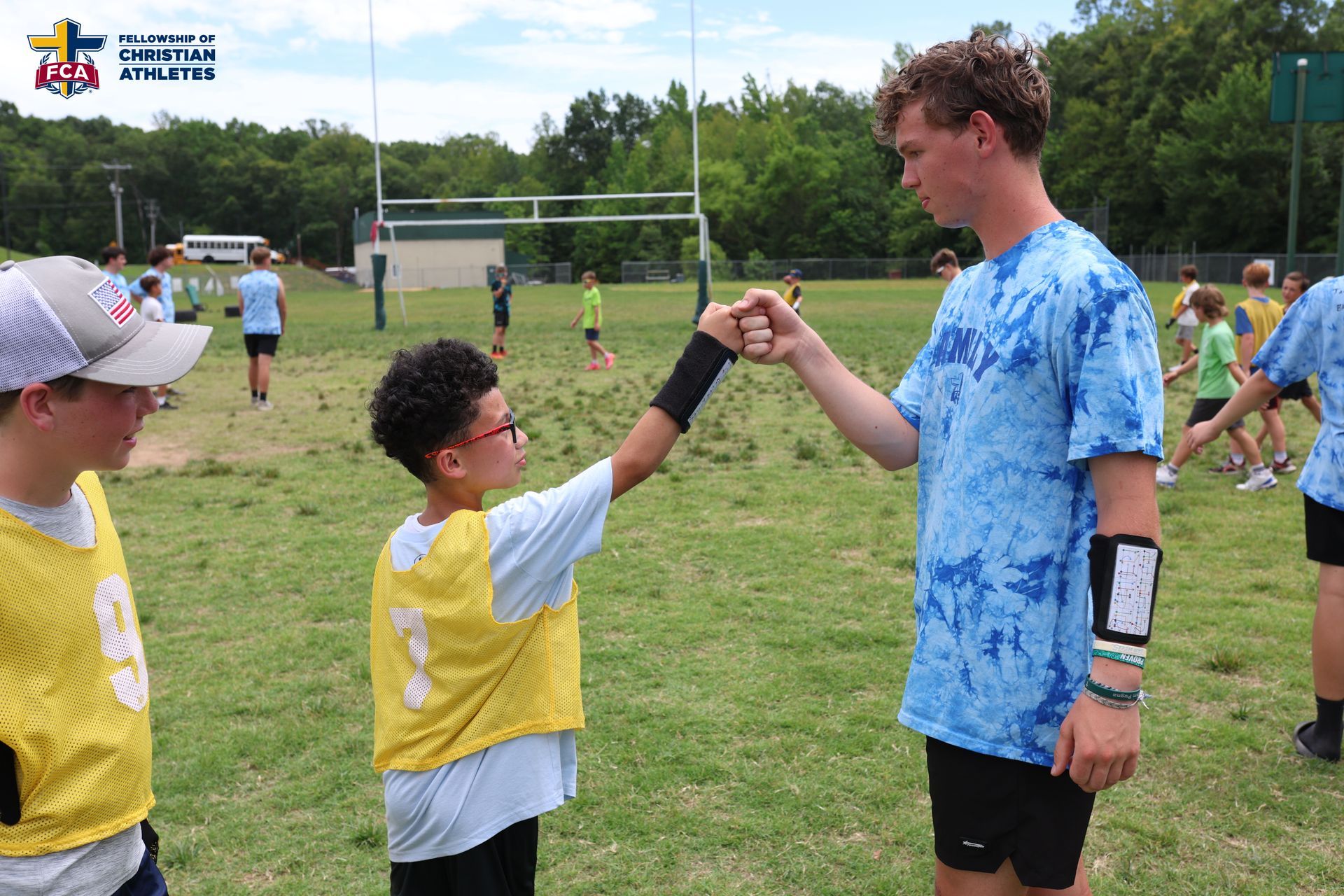
At Battlefield FCA, we are already learning about this through Character Coaches and Huddles. Our role is not to replace sport coaches. It is to walk alongside coaches and athletes, build trusted relationships and help create space for conversations that extend beyond the game.
Our sports clinics allow us to connect skill development with character and faith formation.
Our church partnerships can help communities identify adults who may have the heart to serve but need preparation and support.
Our All-Abilities Ministry, led by Becky Weber, continually reminds us that athletic dignity cannot be measured by speed, statistics or conventional ability. Every participant deserves meaningful belonging.
Battlefield FCA does not currently operate sports leagues or clubs. We are exploring and moving toward serving in those spaces, and that makes this conversation especially important for us.
If we eventually help operate a league or club, we do not want formation added at the end as an inspirational talk. We want athlete dignity, coach support, parent partnership, accessibility and identity in Christ considered from the beginning.
We also do not believe we need to own a league to begin helping.
Existing leagues and clubs already have relationships, expertise and athletes. Churches already have adults, facilities and a desire to serve their communities. Schools know where needs exist. BFCA can listen, convene, train, support and help those groups find one another.
A question for every church and league
Church leaders, I would ask: Who in your congregation could become a healthy youth coach if someone prepared and supported them?
League leaders, I would ask: Who is caring for your volunteer coaches after recruitment and before burnout?
Coaches, I would ask: When athletes leave your team, what will they believe about themselves because you coached them?
Parents, I would ask: Does your child have adults who value who they are becoming as much as what they are accomplishing?
The fields are full. That is something to celebrate.
But the coaching bench is thinning, and filling it with unprepared adults will not be enough. Our communities need coaches who can teach the game while protecting joy, encouraging belonging and helping young people develop an identity larger than their performance.
If your church, school, league or club wants to explore what a healthier coach-development partnership could look like, Battlefield FCA would be glad to listen and learn with you.
Youth sports needs more coaches. Even more, it needs coaches who remember that the child in front of them is more important than the result behind them.
Sources
SFIA: Team Sports Participation Reaches Record High as Youth Coaching Base Declines
https://sfia.org/resources/team-sports-participation-reaches-record-high-as-youth-coaching-base-declines/
Frontiers in Psychology: Sport Specialization Predicts Athletic Identity Exclusivity in Youth Athletes
https://www.frontiersin.org/journals/psychology/articles/10.3389/fpsyg.2026.1933284/full
Help Us Spread the Word and Share!