What Will Your Athlete Remember Being Praised For?

Scot Small

As a season ends, we have an opportunity to name the habits we hope will last.
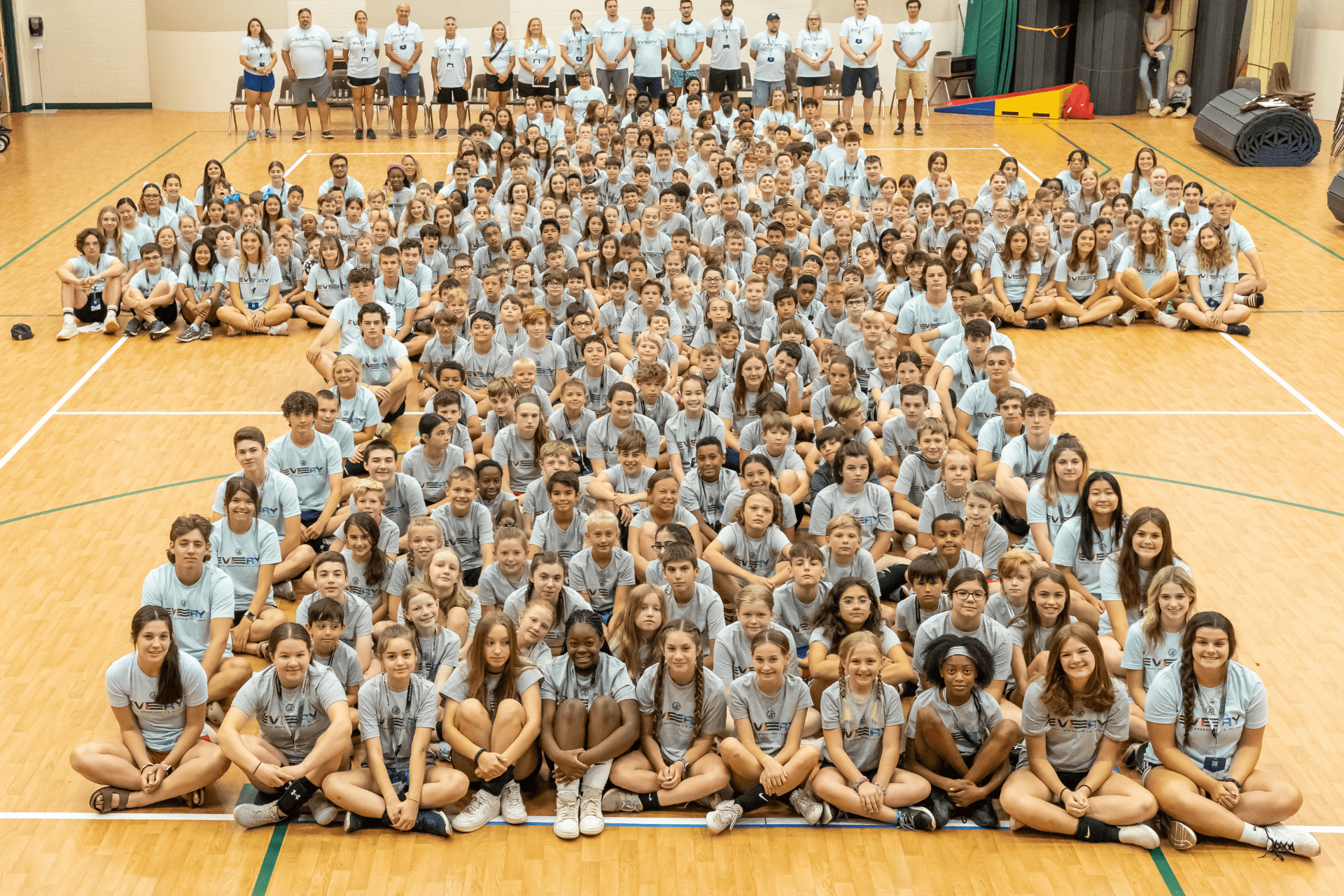
Group photograph of Fredericksburg FCA Power Camp participants gathered in a gym.

Think about the last conversation you had with your child after a game. What did you notice first?

The score? A missed opportunity? A great play? The minutes they did or didn't get?

Those are natural things to talk about. I enjoy competition. I want athletes to work hard, improve, and compete with everything they have.

I also want us to pay attention to the moments that reveal who a young person is becoming. As fall seasons move toward their conclusion, we have an opportunity to name those moments with care.

A season can hold far more than the results we can find on a website. There may have been patience with a struggling teammate, honesty when a mistake would have been easy to hide, or the decision to keep serving a team after a personal disappointment.

Will those things make it into the conversation?

Give character something specific to mean

We use the word character often in sports. I want us to be clear about what we mean by it.

This week, an investment announcement about the Arnold Palmer Junior Golf Tour included a planned character program with the Palmer Foundation and Wake Forest University. That is a commitment worth watching. We still need to see how the program operates and what athletes experience.

Locally, we can begin with conduct we are able to observe. Did an athlete respond respectfully when corrected? Did they help someone learn? Did they acknowledge a mistake? Did they handle an opponent's success with dignity?

Those questions make character concrete. They also give us a way to encourage growth without pretending that any child has arrived at moral perfection.

An athlete can have a difficult moment and later take responsibility for it. The willingness to make something right deserves our attention too.

Recognition can tell a fuller story

On November 4, Penn State recognized Ryan Watson and Ella White for Big Ten sportsmanship honors, pointing to their conduct and support for teammates. These are college athletes, and a university announcement cannot tell us what recognition does for younger players. It does offer a simple example of making those contributions visible.

A team gathering can do the same with honest, specific observations.

Instead of saying only that someone was a great teammate, describe what they did. Perhaps, in a hypothetical example, a player helped a new teammate understand a drill without making them feel embarrassed. Or an athlete stayed engaged after losing a starting position and continued preparing well.

Specificity matters because it shows what adults actually noticed. It gives the athlete something meaningful to understand and continue practicing.

It also keeps recognition from becoming a general compliment handed to everyone without much thought.

Ask athletes what mattered

Adults will not see every important contribution during a season. Teammates may have noticed help, encouragement, or responsibility that happened outside our view.

We can invite them to share what they appreciated about one another. That should be handled thoughtfully. A public vote can turn into a popularity contest. An athlete should not have to disclose something private to explain why a teammate mattered.

A better starting point might be a quiet opportunity to describe one action they appreciated, with an adult reviewing what is appropriate to share.

Michigan's scheduled sportsmanship summits give students a role in instruction and in developing school campaigns. That is an existing program with activity beginning this month, rather than proof of an outcome. I appreciate the practical question it raises: where can young people contribute to the culture we want to build?

We can give them a thoughtful role while continuing to carry our responsibilities as adults.

Remember who has the microphone

Parents and coaches have influence over what gets noticed. We should examine our own conduct alongside the behavior we ask of athletes.

If respect matters, our conversations about officials need to reflect it. If accountability matters, we should be willing to acknowledge when our response was wrong. If service matters, the way we treat volunteers and opponents should demonstrate it.

I want to take that seriously myself. Adults are also being formed through the pressures of competition, and we need humility when those pressures expose something we need to change.

We can celebrate an athlete's self-control while continuing to work on our own. We can apologize clearly, make amends where needed, and practice a healthier response the next time.

That gives a young person a useful example of responsibility and restoration.

Faith gives us a foundation for this

At Battlefield FCA, we believe our identity begins in Jesus Christ. An athlete's value is secure before the season starts and remains secure when it ends.

That matters when recognition is being given. A child who receives fewer public honors still has dignity, gifts, and a place to contribute. An award cannot carry the weight of a person's identity.

Following Jesus also gives character a deeper purpose. Humility helps us receive correction. Service turns our attention toward another person's good. Repentance allows us to face a failure honestly. Grace makes restoration possible without pretending the harm did not matter.

These are things we want to practice through BFCA's Character Coaches, Huddles, and relationships with churches and teams. They require attention through the season, including in ordinary practices and conversations.

Recognition at the end can help name that growth. The daily relationships give us the opportunity to nurture it.

Carry the conversation into next season

BFCA does not currently operate sports leagues or clubs. As we explore serving in those spaces, I want us to think carefully about the habits adults will model and the contributions we will recognize.

Existing leagues, schools, and clubs can help us learn. Parents and athletes can tell us what encouragement has been meaningful. Our role is to bring a clear Christian foundation and a willingness to serve alongside others.

As your season concludes, take a few minutes to name something your athlete did that helped another person or showed growth under pressure. Make it truthful and specific. Give them room to tell you what they learned too.

If your school, church, or sports organization wants to explore how to encourage those habits throughout a season, I would welcome a conversation with BFCA. There is useful work we can do together, beginning with what we choose to notice.

Sources:

Weatherford Capital announcement, November 5, 2026: https://www.prnewswire.com/news-releases/weatherford-capital-invests-in-arnold-palmer-junior-golf-tour-alongside-bolt-ventures-302930155.html

Penn State sportsmanship honors, November 4, 2026: https://gopsusports.com/news/2026/11/4/watson-white-earn-big-ten-sportsmanship-honors

MHSAA sportsmanship resources and November 2026 summit schedule: https://www.mhsaa.com/i-am/administrators/sportsmanship-resources

Help Us Spread the Word and Share!
Three men conversing indoors in front of an FCA backdrop, with the man in the center smiling.
By Scot Small • November 5, 2026
A case for ministry leaders learning with people beyond their own organization.
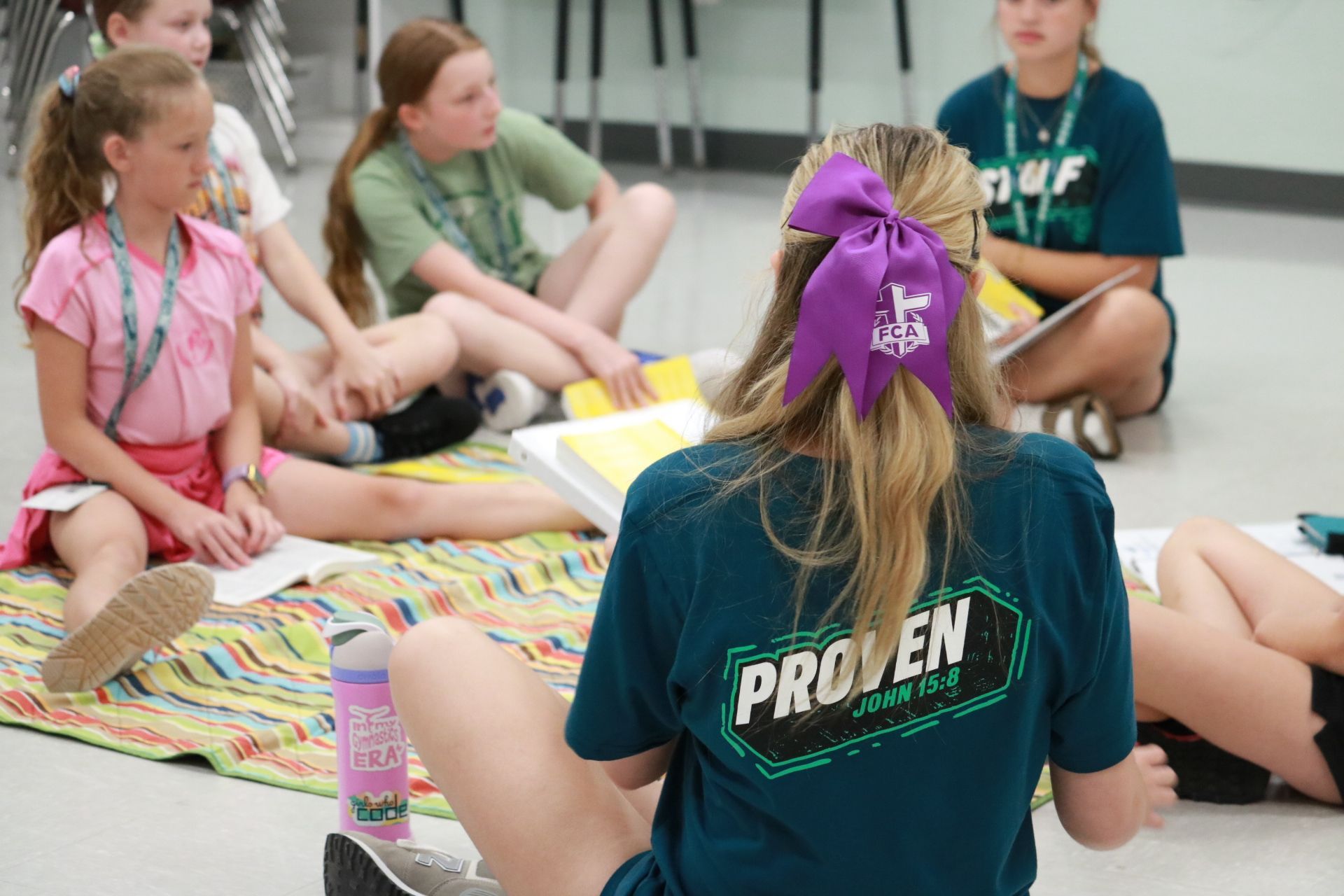
Campers and huddle leaders seated together for a small-group conversation.
By Scot Small • November 3, 2026
Before a young athlete quits, learn to ask better questions. Coaches, parents and churches can make room for honest conversation, belonging and healthier sports.
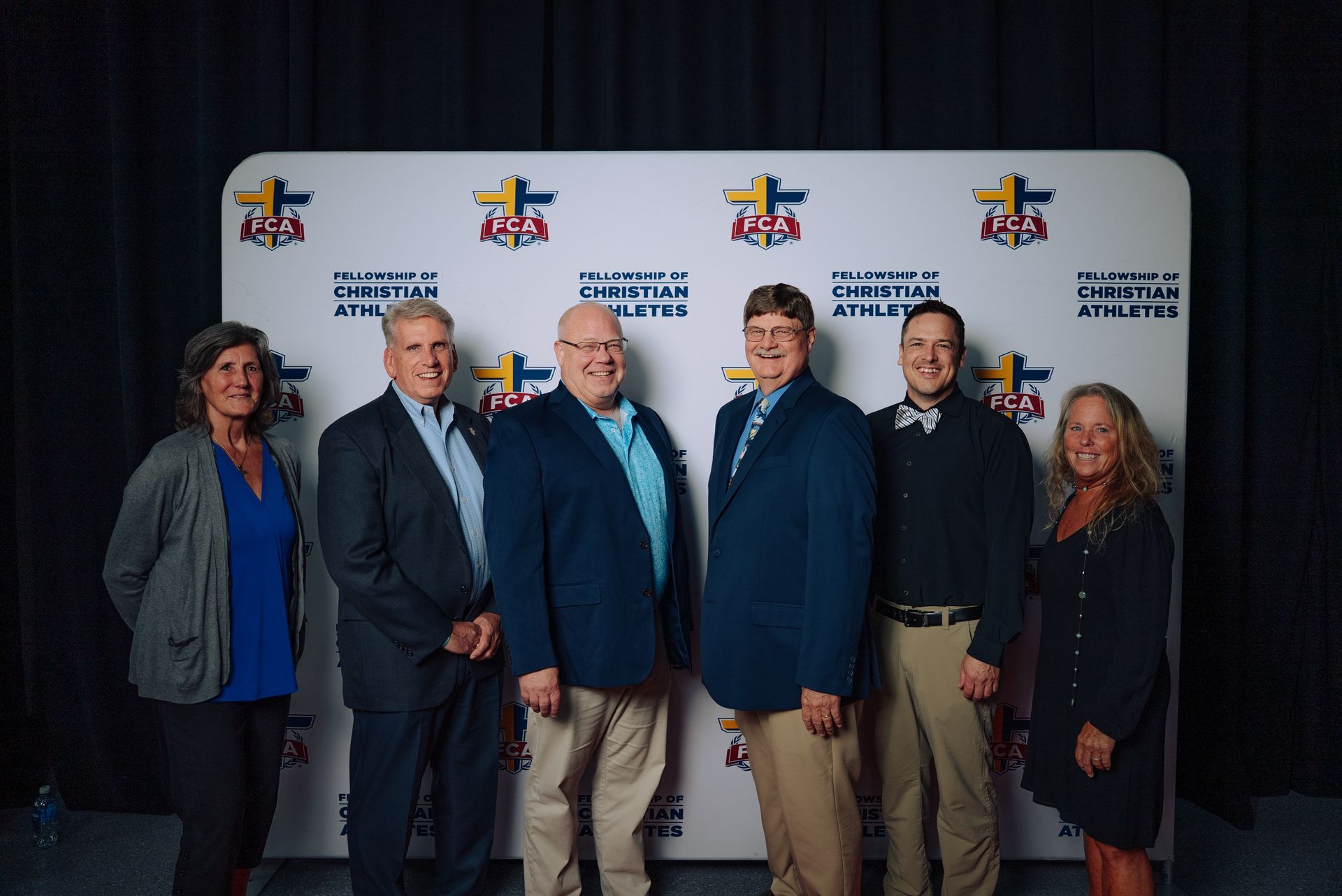
Six Battlefield FCA team members standing together in front of an FCA backdrop.
By Scot Small • October 29, 2026
Scot Small shares how Battlefield FCA is developing leaders through listening, clear responsibility, regular coaching, and ongoing spiritual formation.
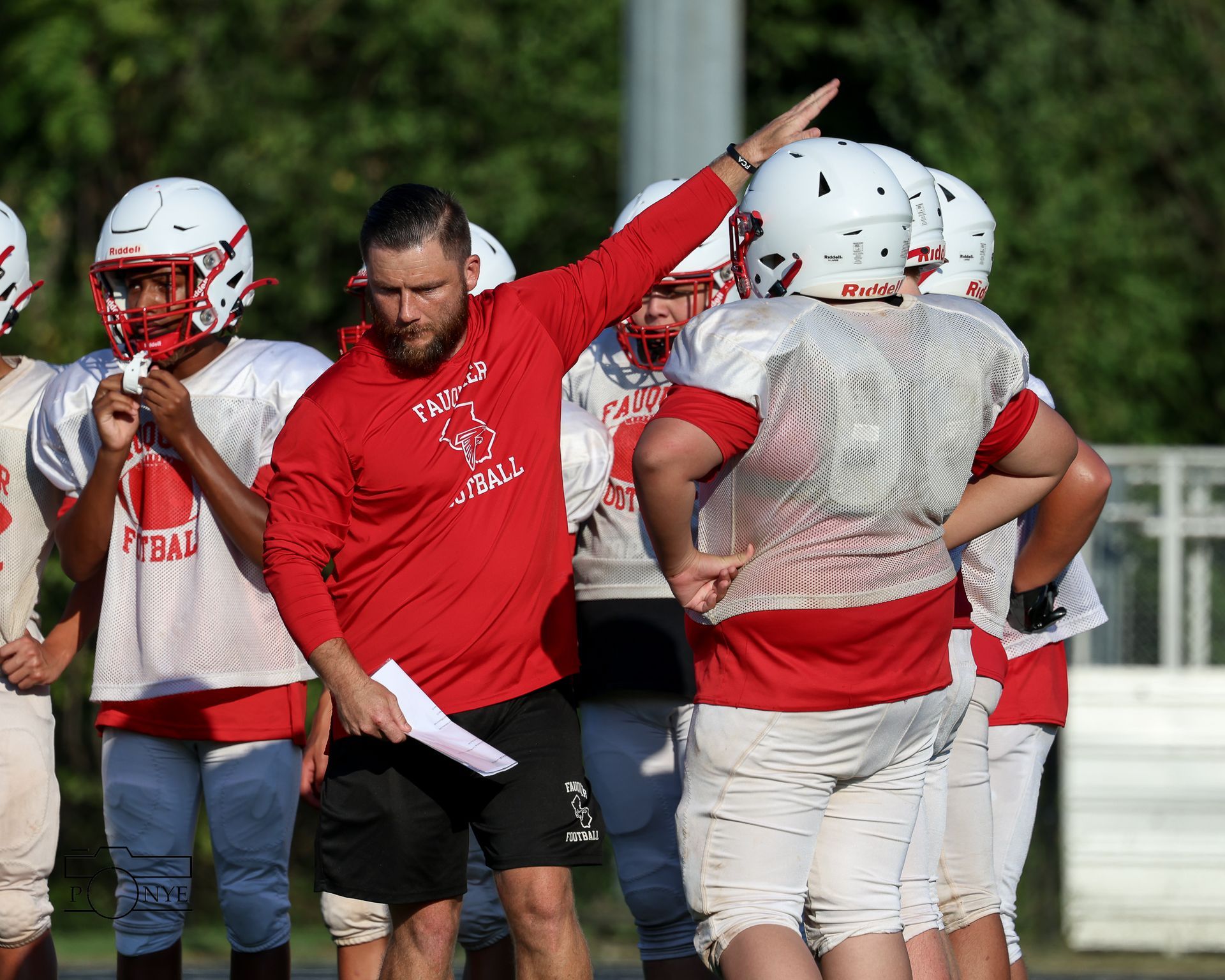
A coach working with football players on the field.
By Scot Small • October 27, 2026
Youth sports needs more than willing volunteers. Explore how churches and communities can prepare and support coaches who protect joy, belonging and athlete dignity.
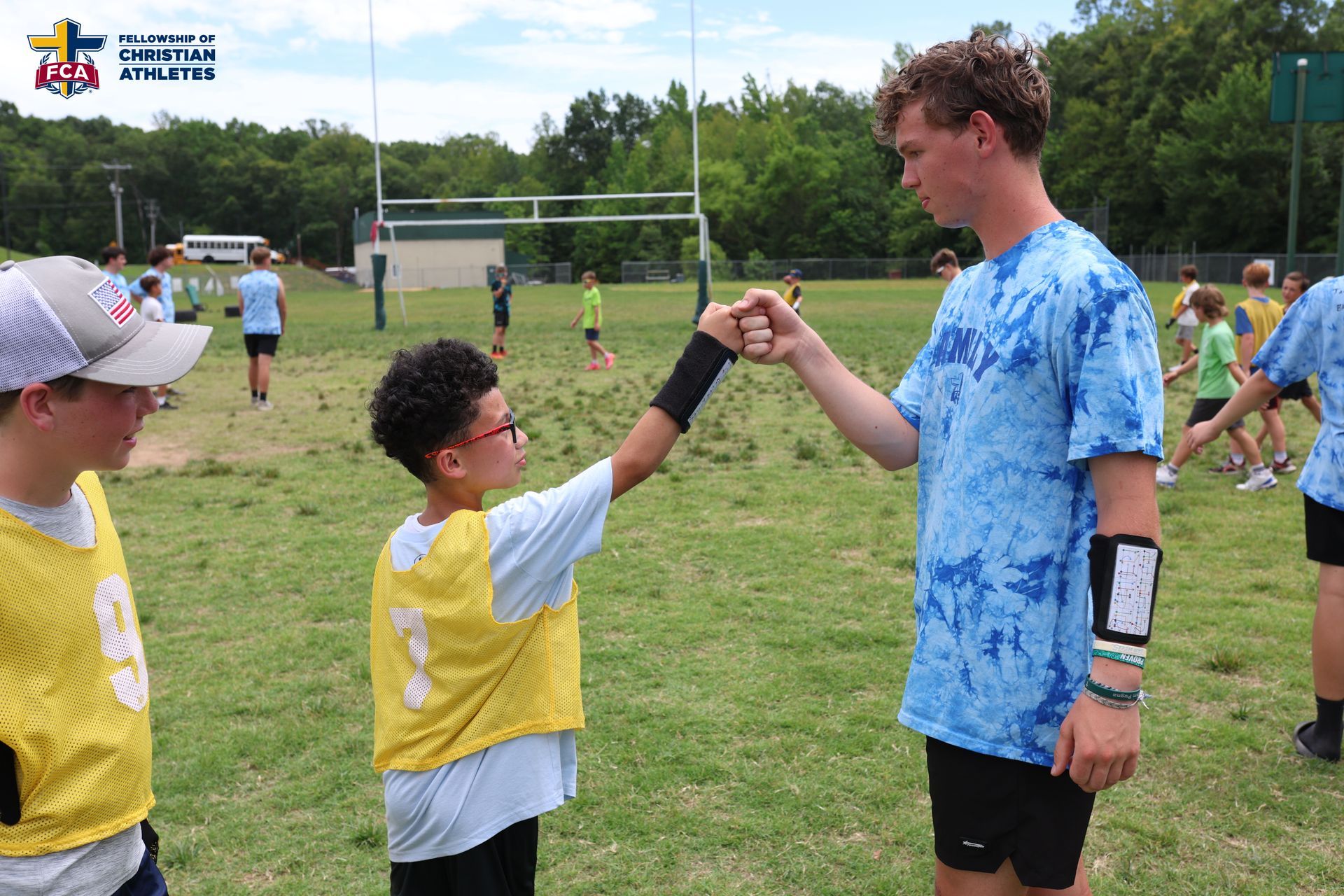
A young athlete in a yellow jersey exchanges a fist bump with a participant in a blue shirt on a sports field.
By Scot Small • October 22, 2026
Scot Small reflects on the example adults set in youth sports and how parents, coaches, churches and leagues can build healthier team cultures.
By Becca Medina • June 5, 2026
What started as a weekend away with other college athletes became one of the most impactful experiences of my college career. I left with a stronger faith, meaningful friendships, and a renewed understanding of what it means to fully follow Christ. When I signed up for Mid-Atlantic College Camp, I expected a fun weekend with other athletes. What I did not expect was how much God would use those few days to challenge me, encourage me, and reveal areas of my life where I still needed to grow. My trip to camp did not exactly start smoothly. What should have been about a four-hour drive turned into a seven-hour drive because of traffic. I arrived tired, stressed, and ready for the day to be over. Thankfully, that feeling did not last long. As soon as I arrived, I met people in my huddle and quickly started making friends. My huddle leader would end up having a huge impact on me throughout the weekend, even though I did not know it at the time. One of the first things that challenged me was something called Prayer Tacos. Every morning, we woke up at 6:00 a.m. and spent an hour in prayer. At first, I honestly thought there was no way I could stay focused for an entire hour. Instead, it became one of my favorite parts of camp. The experience taught me how often I focus on asking God for things instead of simply thanking Him for what He has already done. By the second morning, I found myself looking forward to that time with Him. Since returning home, I have continued using my own version of Prayer Tacos during walks. Instead of spending the entire walk listening to music, I spend part of it intentionally praying. It has helped me become more consistent in my prayer life and more aware of God's presence throughout my day. Another highlight of camp was worship. There was something powerful about being surrounded by hundreds of college athletes who were unashamed of their faith. Seeing people openly worship reminded me that I am not alone in my desire to follow Christ and encouraged me to live out my faith more boldly. One of the breakout sessions impacted me more than any other. The session focused on our thought life and how many of our negative thoughts do not come from God. This message hit close to home because comparison was something I struggled with during my spring field hockey season. I often found myself believing lies. Those thoughts took up a lot more space in my mind than they should have. During the session, we wrote down negative beliefs we had about ourselves and then found Scripture that spoke truth into those lies. One verse that stood out to me was Psalm 139:14 , which reminds us that we are “fearfully and wonderfully made.” The exercise reminded me that my identity is not found in performance, playing time, or what other people think of me. My identity is found in Christ. Another breakout challenged us to think about the influence we have on our teammates. It forced me to ask myself whether my actions are helping people move closer to Christ or simply blending in with the world around me. One thing I loved about camp was how genuine everything was. We were not just hearing messages; we were being challenged to apply them immediately. During one prayer session, we were asked to write down something we needed to surrender to God and place it on a wall. The activity reminded me that surrender is more than saying the right words; it requires trust and a willingness to place those burdens in God's hands every day. Not everything went according to plan. I ended up having to miss part of camp. While I was disappointed, I was overwhelmed by the kindness of those who cared for me and reminded me that God is present even when things do not go according to our plans. Some of the most impactful moments of the weekend came from hearing testimonies. Listening to people share both their struggles and the ways God had worked in their lives reminded me that faith is not always a dramatic transformation story. More often, it is a journey of growth, healing, forgiveness, and learning to trust God through difficult seasons. Their stories challenged me to grow in areas of my own life and reminded me that God is still working, even in the middle of the struggle. As the weekend came to a close, one truth stood out above everything else: you cannot live with one foot in the world and one foot with God. Following Jesus requires surrender, commitment, and a willingness to trust Him fully. I realized there were areas of my life where I was trying to keep one foot in the world and one foot with God. I was making excuses and settling for less than what God wanted for me. God was not calling me to be comfortable. He was calling me to be fully His. MACC was so much more than a weekend camp. It was a weekend where God challenged my thinking, strengthened my faith, and showed me areas where I still need to grow. I arrived at camp tired from a long drive, expecting little more than a weekend with other athletes. I left with a deeper faith, a clearer understanding of my identity in Christ, and a renewed desire to fully surrender every area of my life to Him.  If there is one thing I learned from Mid-Atlantic College Camp, it is that God can do a lot in just one weekend when we are willing to let Him work.
By Scot Small • May 19, 2026
There is a big difference between knowing about Jesus and actually knowing Jesus. A person can know facts about Him. They can know Bible stories, Christian language, church routines, and even the right answers. They can know that Jesus died on the cross, rose from the grave, and is coming again. But knowing true things about Jesus is not the same as living in relationship with Him. In John 15, Jesus does not say, “Learn more religious information and try harder.” He says, “Abide in me.” That word carries the idea of remaining, staying, dwelling, continuing. Jesus is calling His disciples into a life of ongoing dependence on Him. “I am the true vine, and my Father is the gardener.” That picture matters. A branch does not produce fruit by effort alone. It produces fruit because it is connected to the vine. The life of the vine flows into the branch. Apart from the vine, the branch may still look attached for a while, but it cannot bear lasting fruit. That is one of the quiet dangers in Christian life. We can keep the appearance of connection while slowly drifting from dependence. We can stay busy in ministry, sports, leadership, family, and service, but inwardly we are running on fumes. Jesus does not call that fruitfulness. He calls us back to Himself. Jesus says, “The one who remains in me and I in him produces much fruit, because you can do nothing without me.” That is not meant to insult us. It is meant to free us. We are not the source. We were never meant to be. For athletes and coaches, this is easy to miss because sports trains us to push harder, compete longer, and produce results. There is a place for discipline, effort, and training. But spiritual fruit is different. You cannot manufacture love, joy, peace, endurance, holiness, humility, courage, or obedience by sheer willpower. Those things grow from union with Christ. This is where obedience has to be understood rightly. Jesus says, “If you keep my commands you will remain in my love.” He is not describing cold religion or fear-based performance. He is describing the natural response of someone who loves Him and trusts Him. Obedience is not how we earn His love. Obedience is one of the ways we remain close to the One who already loves us. That matters because many people either separate love and obedience or confuse them. Some want the comfort of Jesus without surrender. Others try to obey Jesus without resting in His love. Both miss the heart of discipleship. Jesus holds them together. “As the Father has loved me, I have also loved you. Remain in my love.” John 15:9 That is staggering. Jesus is not offering a thin, fragile, emotional kind of love. He says the love He has for His disciples is rooted in the love between the Father and the Son. That means Christian obedience begins in being loved by Christ before it ever becomes action for Christ. Then Jesus says something that should reshape how we think about discipleship: “I have spoken these things to you so that my joy may be in you and your joy may be complete.” John 15:11 Jesus is not trying to shrink our lives. He is not calling us into obedience so we can become miserable religious people. He calls us to abide, obey, love, and bear fruit because He knows where life is found. His commands are not chains. They are the path of life under His rule and care. And the fruit Jesus emphasizes here is love. “This is my command: Love one another as I have loved you.” John 15;12 That means abiding in Jesus cannot remain private. Real connection to Christ becomes visible in how we love people. Not just people who are easy to love. Not just people who help our goals. Not just teammates, leaders, donors, or friends who make life simpler. Jesus says His love becomes the pattern for our love. He loved sacrificially. He moved toward sinners. He served the weak. He corrected the proud. He washed feet. He laid down His life. So the question is not simply, “Do I believe in Jesus?” A deeper question is, “Am I remaining in Him?” Am I depending on Him? Am I receiving His words? Am I obeying His commands? Am I loving people in a way that looks like Him? This is where readiness for Christ’s return begins. Not with speculation. Not with panic. Not with trying to decode every headline. Readiness begins with abiding. A disciple who is abiding in Christ is not passive. They are watchful, prayerful, obedient, humble, and available. They are not perfect, but they are connected to the source of life. They are being pruned by the Father, shaped by the Word, and led into fruitfulness by the Spirit. The Christian life is not about looking attached. It is about remaining in Jesus. And today, before we ask what we need to do for Him, maybe we need to ask whether we are staying close to Him. Are you wondering how you can make difference? Maybe Sports Ministry could be a path for you. Volunteer with Battlefield FCA – Help us disciple the next generation. Become a Monthly Supporter – Fuel the mission that’s changing lives. Pray with us – Identity in Christ is spiritual warfare. We need covering.
When Fear Starts Driving Our Decisions
By Scot Small • February 16, 2026
Some of the most dangerous decisions leaders make are not loud or rebellious. Fear slips in quietly and starts to sound wise, responsible, even reasonable.
Leadership, Life, and Ministry: Lessons We’re Still Learning
By Scot Small • December 31, 2025
Reflections from a year of learning while leading, growing, and trusting God
The Path No One Was Looking For
By Scot Small • December 22, 2025
God didn’t arrive with force or spectacle. He didn’t come wrapped in authority or positioned at the center of influence. There was no demand for allegiance, no display of dominance meant to silence opposition.
More Posts