
Before They Quit, Ask Better Questions
Young athletes rarely reach the decision to leave overnight. We need to learn how to listen before they reach that point.
By Scot Small, Metro Director, Battlefield FCA
Sometimes a young athlete says, “I don’t want to play anymore,” and every adult around them acts like the decision came out of nowhere.
Maybe it did.
But I am beginning to wonder how often the signs were there long before the words came out.
The athlete stopped talking about practice. The excitement disappeared. Every mistake felt heavier. They complained about being tired, but adults assumed they needed to become tougher. They tried to explain that something no longer felt right, and the conversation quickly became another lesson about commitment, effort or finishing what you started.
Those lessons can matter. Young people should learn perseverance. They should not walk away from every difficult situation.
But perseverance and silence are not the same thing.
If we want young people to remain in sports—and, more importantly, remain healthy while participating—we have to become better listeners.
Quitting is often the end of a longer process
A study published October 2, 2026 followed 864 competitive adolescent athletes for 12 months. Researchers examined burnout, declining motivation and competitive anxiety, then grouped the athletes into low-, moderate- and high-risk profiles.
The differences in dropout were substantial.
About 9% of athletes in the low-risk group left their sport during the following year. That increased to 19% in the moderate-risk group and 35% in the high-risk group.
The study was conducted among athletes in Chinese sports schools and competitive clubs, so we should not assume the exact percentages apply to every young athlete in Virginia. The researchers also make clear that their profiles are not yet a validated screening tool.
Still, the basic finding deserves our attention: athletes who left were more likely to have been experiencing several pressures at the same time.
They were not simply “kids who quit.”
They were young people dealing with some combination of exhaustion, anxiety, reduced accomplishment, lost motivation and a growing devaluation of the sport itself.
The final decision may have looked sudden. The struggle was not.
We may be answering a question they did not ask
Another study published online in July 2026 and in print that October explored how families help competitive athletes ages 11 and 12 regulate their emotions.
It was a small qualitative study involving only five family units, so we should treat it as an invitation to reflect rather than a universal formula. But one finding stood out to me: a family’s focus on effort could sometimes overshadow the athlete’s emotional needs.
I can understand how that happens.
- A young person says, “I don’t think I can do this.”
- The adult hears, “I am unwilling to work.”
The athlete may really mean:
- “I am afraid I will disappoint you.”
- “I don’t enjoy going to practice anymore.”
- “I feel anxious all day before games.”
- “I don’t know how to talk to my coach.”
- “I am exhausted.”
- “My teammates are making me feel like I don’t belong.”
- “I still love the sport, but I hate what it has become.”
We answer with a speech about perseverance because perseverance is important. But we may be answering a question the athlete never asked.
There will be a time to talk about effort, commitments and the difference between discomfort and genuine harm. First, however, we need to understand what is actually happening.
Listening does not mean surrendering leadership
Listening to athletes does not mean children make every decision.
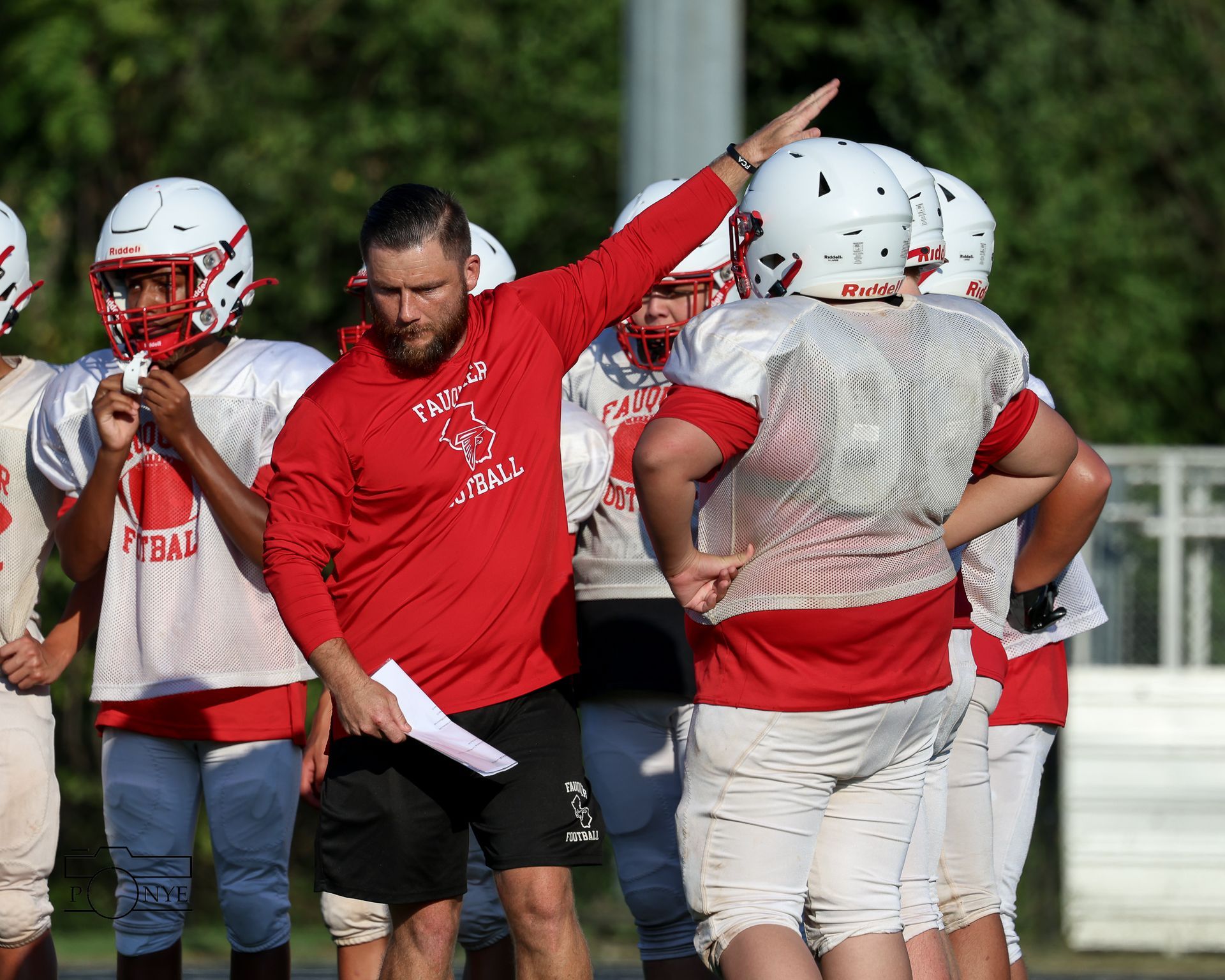
Parents still parent. Coaches still coach. Leaders must establish standards, protect teams and sometimes challenge young people to do difficult things.
Athlete voice does not require adults to surrender responsibility. It requires us to exercise responsibility with better information. That starts by making conversation normal before there is a crisis.
The English Football Association used “Keep Up the Convo” as the theme of its October 2026 Play Safe Weekend. Its message was simple: regular conversations in the car, at pick-up, after practice or along the sideline help adults understand what young people are experiencing. Athletes are more likely to speak when they already know someone will listen.
That strikes me as both sensible and achievable.
We do not need to interrogate an athlete after every practice. We do not need to turn every disappointing day into a mental-health diagnosis. We do not need a clipboard and formal survey every time we ask how things are going.
We need relationships in which honest answers are allowed.
Here are several questions worth trying:
- What part of sport is giving you joy right now?
- What part feels heavy?
- Do you feel like you can talk honestly with your coach?
- Is there anything happening on the team that the adults may not see?
- Do you want me to listen, help you think or take action?
- If you could change one thing about this season, what would it be?
Then comes the difficult part for adults: remaining quiet long enough to hear the answer.
Our faith should make honesty safer
For Christians, athlete voice is more than a retention strategy. It grows out of what we believe about people.
Every athlete bears the image of God. A young person is not a project, a recruiting prospect, a reflection of parental success or a source of wins for an adult coach.
In Christ, belonging is not awarded to the top performers. Identity is received, not achieved.
That should make Christian sports environments places where young people can tell the truth.
- An athlete should be able to say, “I am struggling,” without immediately being considered weak.
- A child should be able to admit, “I don’t know if I want this anymore,” without feeling responsible for protecting an adult’s dream.
- A parent or coach shaped by Christ should be able to say, “I may have been pushing too hard. I was wrong. Will you forgive me?”
That is not a lack of leadership. That is humility, repentance and restoration becoming visible.
Faith does not mean we avoid hard conversations. It means love, truth and belonging remain present within them.
What this means for Battlefield FCA
At Battlefield FCA, our Character Coaches and Huddle leaders are not therapists. We should never ask them to operate outside their training or replace qualified mental-health and safeguarding professionals.
But they can become trusted adults who notice.
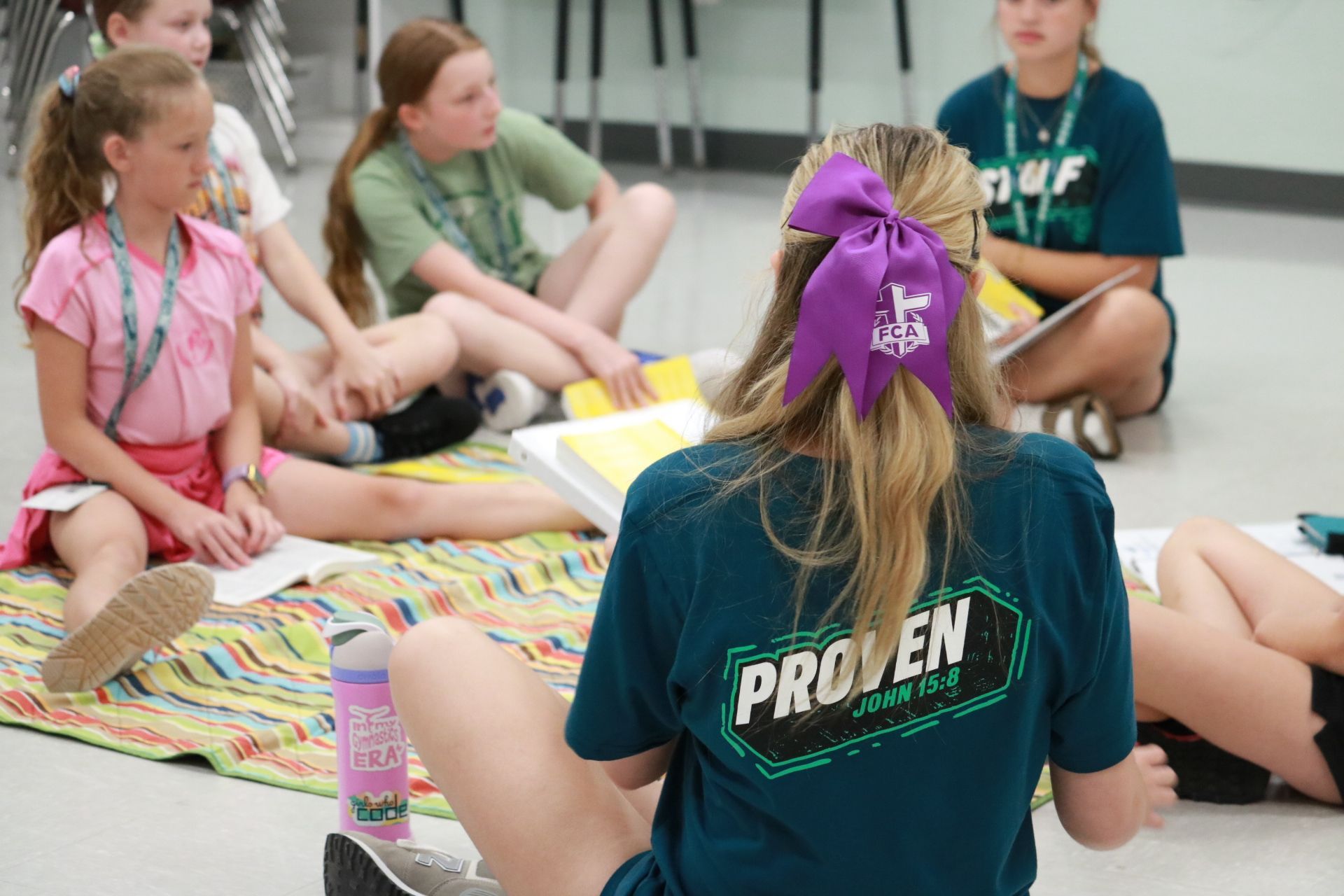
They can recognize when an athlete who normally engages begins withdrawing. They can ask a question without demanding a particular answer. They can listen without turning every conversation into a sermon. They can involve parents, school leaders or appropriate professionals when a concern requires more help.
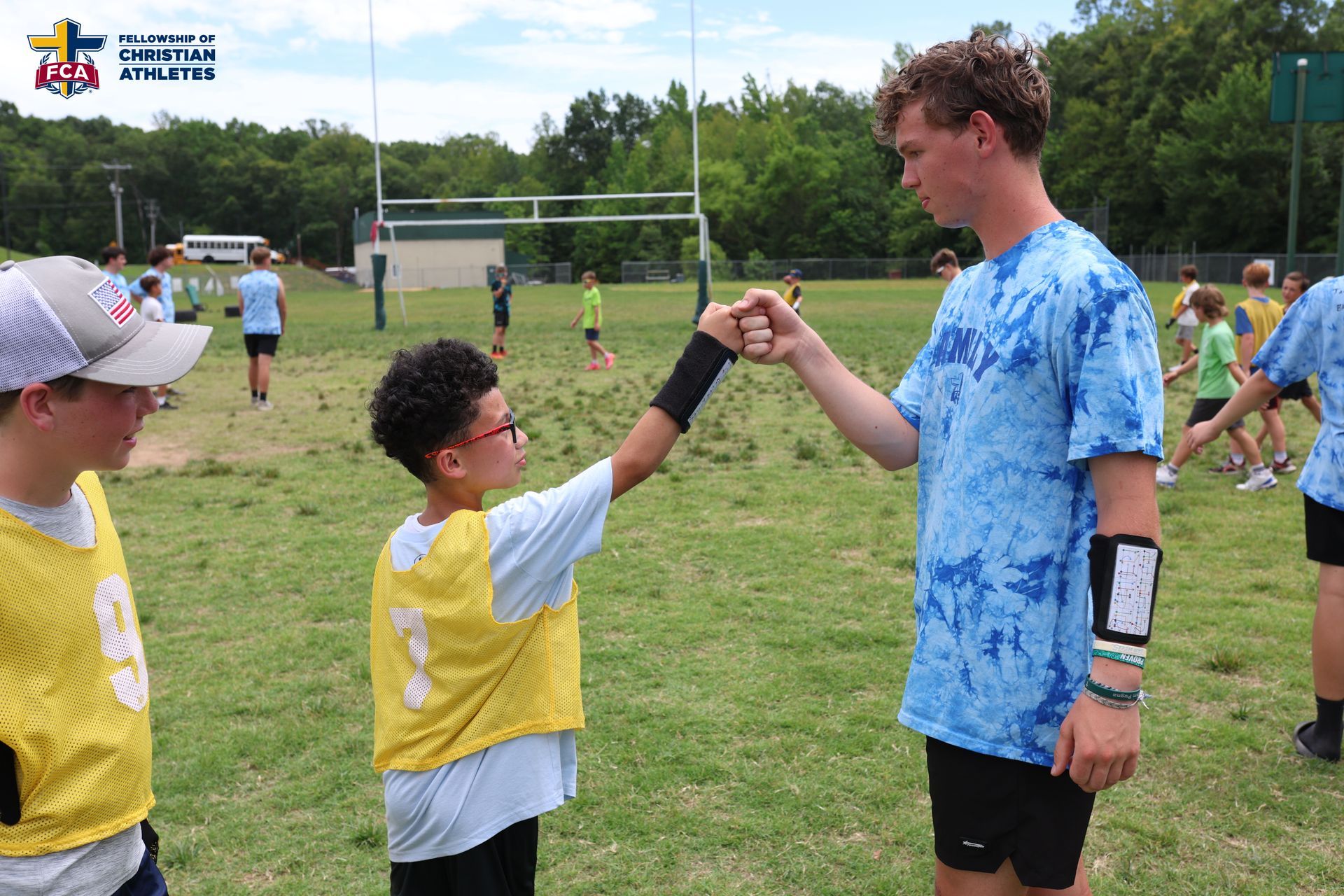
Our sports clinics can include simple athlete check-ins alongside skill development.
Our church partnerships can give athletes relationships and belonging beyond the team and season.
Our All-Abilities Ministry, led by Becky Weber, reminds us that listening cannot be one-size-fits-all. Communication, sensory, mobility and family-support needs vary. Meaningful inclusion requires learning from participants and families, not merely building something for them.
Battlefield FCA does not currently operate sports leagues or clubs, although we are exploring and moving toward serving in those spaces. Before we build schedules, registration systems or competitive structures, I believe we should listen to athletes.
- What keeps them playing?
- What makes them feel safe?
- What causes them to stop speaking?
- What do they need from coaches, parents, teammates and ministry leaders?
If we eventually help operate a league, athlete voice should be part of its foundation—not an end-of-season survey added later.
Before the decision becomes final
Not every athlete who leaves a sport has been failed.
Interests change. Bodies need rest. Family circumstances shift. Other opportunities emerge. Sometimes stepping away is the wisest and healthiest decision.
Our goal should not be retention at any cost.
Our goal should be an environment in which a young person does not have to become exhausted, anxious or completely disconnected before an adult finally asks what is wrong.
If you are a parent, coach, school leader, pastor, league operator or community leader, consider asking one young athlete a better question this week.
Do not begin with their statistics. Do not begin with what they need to improve.
Ask what is giving them joy. Ask what feels heavy. Ask what they wish the adults understood.
Then listen.
Battlefield FCA is learning too. If your church, school, team, league or club wants to explore how we can create healthier listening relationships around young athletes, we would be glad to sit down with you.
Sometimes the most important thing we can do to keep a young person connected is to make sure they know their voice matters before they decide it no longer does.
Sources
Psychological Predictors of Sport Dropout in Adolescents
https://www.frontiersin.org/journals/psychology/articles/10.3389/fpsyg.2026.1972994/full
Parent–Child Emotion Regulation Within Competitive Youth Sport Families
https://pubmed.ncbi.nlm.nih.gov/42526853/
The FA’s 2026 Play Safe Weekend: “Keep Up the Convo”
https://www.englandfootball.com/articles/2026/Oct/02/english-football-comes-together-for-play-safe-weekend-20260210
U.S. Center for SafeSport Bullying Prevention Resources
https://uscenterforsafesport.org/resources-for-bullying-prevention-month/
Help Us Spread the Word and Share!