Youth Sports and the Example We Set as Adults
Scot Small reflects on his own sideline behavior and how parents, coaches, churches and leagues can help create healthier youth sports environments.
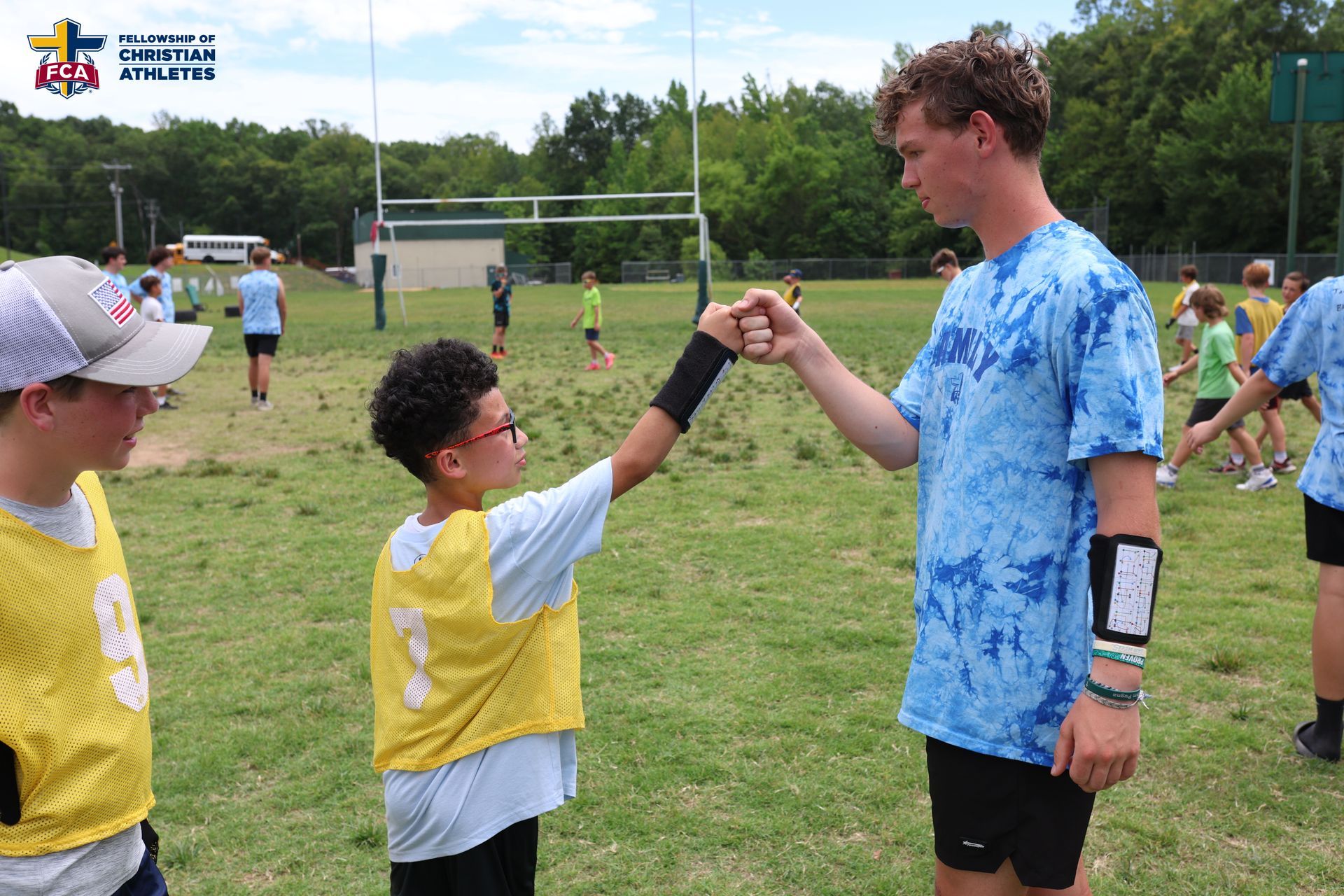
As a parent, I've seen adults yell at kids, referees and coaches. I've seen the game get too much of people who are supposed to be there to support the young athletes playing it. I also need to say that I was one of those parents at one time. I'm not proud of how I acted at many games.
That belongs in this conversation. It would be easy for me to write about what's wrong with youth sports and point to everyone else. But if we're going to talk about the example adults are setting, I have to be willing to examine my own.
I've also seen teams and coaches pray together after a tough game. As a Character Coach, I've had opposing coaches tell me they wanted to play our team because our kids were respectful, played hard and didn't cuss. Those experiences matter to me. They give me a reason to keep asking how we can help more young people experience that kind of team culture.
What young people are experiencing
We ask a lot of our athletes. We want them to handle disappointment, respect officials, listen to correction and keep working when things are difficult. Those are good expectations. The adults around them need to be willing to live by them too.
When a parent argues with an official, a coach responds to a mistake or a family talks about the game on the ride home, a young person is learning something about what matters. Our response can either support what we've been teaching or make it harder for the athlete to believe us.
Research gives us a reason to take that seriously. The Aspen Institute's National Youth Athlete Survey asked 3,827 young people ages 10 to 17 about their sports experiences. Former players reported more parental pressure and less positive support than current players. For example, 21% of former players said their parents pressured them to play when they didn't want to, compared with 9% of current players. Those differences don't prove why any individual child stopped playing, but they should make us willing to listen to what young people are telling us. Aspen Institute survey findings: https://projectplay.org/news/aspen-institute-national-survey-of-youth-and-sports-15-key-findings
Officials have something to tell us too. In the National Association of Sports Officials' 2023 survey of 35,813 officials, more than half said they had feared for their safety at some point in their careers because of the behavior of administrators, coaches, players or spectators. That survey covered many levels of sport, not just youth competition. Even with that distinction, it's a serious reminder that the people helping make games possible need our support and protection. NASO survey results: https://www.naso.org/35813-individuals-respond-to-national-officiating-survey/
We can care about the game, disagree with a decision and want our team to win while still treating people with dignity. That's something we need to practice as adults, especially when we're disappointed.
Helping adults grow
Clear expectations matter. Leagues need standards for conduct, officials need support, and athletes need protection from harmful behavior. When someone crosses a line, there needs to be a response. Wanting people to grow doesn't mean overlooking what they've done.
Alongside those boundaries, we need relationships that help parents and coaches grow in patience, humility and self-control. We need people who can challenge us without writing us off, and we need to be willing to hear them.
James 1:19-20 calls us to be quick to listen, slow to speak and slow to become angry, reminding us that human anger does not produce the righteousness God desires. That reaches beyond the sideline, but it certainly includes how we respond to a missed call, a mistake or a hard conversation after a game.
For a parent, that might begin by asking a child how our behavior at games affects them, then listening without defending ourselves. For a coach, it could mean asking another trusted coach to pay attention to how we respond when an athlete makes a mistake. A league leader might invite officials into a conversation about what makes their work harder and what support would help.
These aren't complicated ideas, but they require something from us. We have to be willing to learn that our intentions and our impact may be different. Caring deeply about a child doesn't mean every way we express that care is helpful.
And when we get it wrong, we need to say so. An apology to an athlete, an official or another parent should acknowledge what we did without blaming the pressure of the game. Young people need to see adults take responsibility as well as ask others to do it.
Why our faith matters here
At Battlefield FCA, our Christian faith shapes how we approach this work. We believe Jesus changes how we lead, how we respond to pressure and how we treat the people in front of us. Our mission is to lead every coach and athlete into a growing relationship with Jesus Christ and His Church.
We believe every athlete bears God's image. A young person's worth doesn't rise and fall with playing time, a ranking or a score. The official who makes a call we disagree with and the opponent trying to beat our team deserve that same dignity.
For me, this brings the conversation back to our willingness to change. Following Jesus includes admitting when we're wrong, asking for forgiveness and learning to respond differently. We should be able to talk about those things in the ordinary situations where our character is being tested.
Galatians 5:22-23 describes patience, gentleness and self-control as fruit of the Spirit. We need to practice those qualities, but Christian growth is not simply a matter of trying harder to behave. We depend on the Holy Spirit to shape us as we follow Jesus, including in the moments when the game brings out what still needs to change in us.
Prayer with a team matters. So does the way we treat people before and after we pray. Our faith needs to shape the whole experience, including how we use authority, handle disappointment and respond when someone raises a concern. It should make us more willing to be accountable.
Working together in our communities
I want Battlefield FCA to work alongside churches, coaches, parents and existing sports organizations in this. There's a lot we can learn from people who are already serving athletes well, and we don't need to approach every conversation with a program to sell.
A church may have people willing to mentor and encourage coaches. A league knows its families, its volunteers and the pressures of running a season. Parents and athletes can help us understand what the experience feels like from their side. FCA can bring its commitment to developing coaches and athletes in faith and character. We need to listen to one another before deciding what a partnership should look like.
A useful place to begin would be a conversation about the expectations we share. How do we want adults to respond when a game gets difficult? What support do coaches need to lead that way consistently? How will families raise concerns, and who will follow through? Those conversations need to include athletes and officials, not just the people in charge.
As we explore new opportunities in leagues and clubs, I want that kind of listening and partnership to be part of the foundation. We can also serve the teams and organizations that already exist. Helping another organization create a healthier environment is worthwhile whether or not Battlefield FCA's name is on the program.
If you lead a church, league, club, school or team and want to explore a partnership or a healthier direction for youth sports, I'd welcome the conversation. I'd like to hear what you're seeing, what's working and where the adults around your athletes could use support.
And for those of us who are parents or coaches, we don't have to wait for a new partnership to begin. We can ask the young people closest to us what they're learning from our example and be willing to listen to the answer.
Help Us Spread the Word and Share!